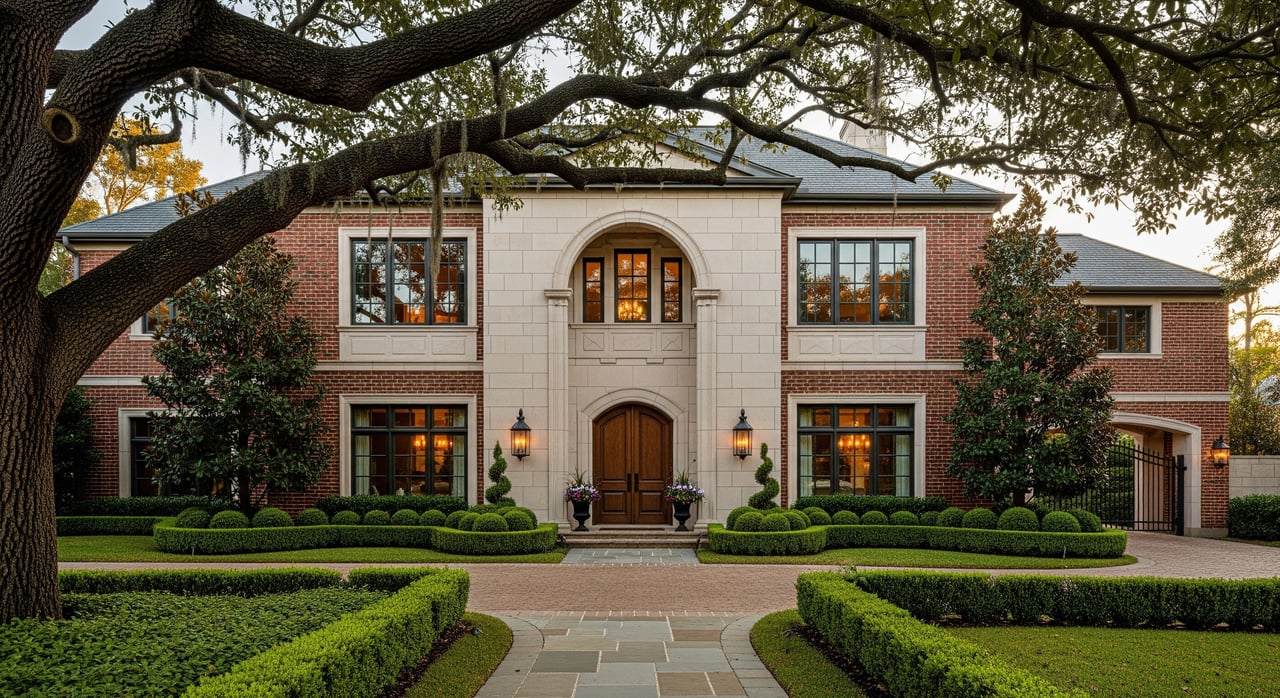
How to Price Your Highland Park Luxury Home
January 15, 2026
January 15, 2026
Pricing a $2M+ home in Highland Park is not like pricing a typical suburban listing. At this level, buyers are selective, inventory is tight, and every detail from lot position to finish level can move value. If you want to protect your equity and sell with confidence, you need a plan rooted in real data and local nuance. This guide shows you how to price, defend, and negotiate your Highland Park luxury listing. Let’s dive in.
Highland Park is a compact, highly sought-after enclave with limited lots and a strong local buyer base. Many buyers are move-up owners already familiar with the area, corporate executives relocating to Dallas, and investors evaluating tear-down or rebuild potential.
At this price point, you often see all-cash purchases or jumbo financing. Mortgage rates still influence urgency and negotiation, especially around appraisal gaps and financing contingencies. Before you set a list price, confirm local conditions and trends.
In Highland Park, land carries outsized weight. Size matters, but so does frontage, depth, and where the lot sits on the block. Corner exposure, park-facing positions, and walkability to Highland Park Village and Katy Trail-adjacent amenities can justify a premium.
To price correctly, separate the land from the improvements. Estimate a lot value using recent land or tear-down transactions, price per land square foot, or price per frontage foot. Then layer in the home’s contribution.
Buyers pay for design quality. Historic Texas Tudor or Mediterranean homes with authentic character hold strong appeal, while high-end modern rebuilds with top-tier materials can command the highest price per finished square foot. Inside, premium kitchens, smart-home systems, elevators, and well-proportioned primary suites all move the needle. Outside, pool and spa quality, mature landscaping, and privacy features matter.
Condition is critical. Turnkey homes or those comprehensively updated in the last 5–7 years typically justify a premium over similar-size homes needing work.
Pull sold comps from the last 6–12 months within 0.25–0.75 miles when possible. For scarcity, you may widen the radius but give more weight to closer, more similar properties. In Highland Park, off-market builder or pocket deals often set realistic ceilings. New-builds can define the top of the band, but the market may favor a mature lot or architecturally notable design even if the interior is not brand new.
Quantify differences with discipline:
Use a robust Comparative Market Analysis with 6–12 comps and a clear rationale for weightings. Supplement with off-market or builder sales when available. Pair this with a buyer-pool view: identify whether your likely buyer is a local move-up owner, an out-of-state executive, or a developer, and select a price band that aligns with that group’s typical behavior.
Price per square foot is helpful, but do not rely on it alone. In Highland Park, lot value and architectural quality can materially shift price bands.
You can set an aggressive high anchor if your home has rare, well-documented differentiators like an exceptional lot, award-winning architecture, or best-in-class finishes. The benefit is protecting perceived value, but the tradeoff can be slower showings.
A conservative anchor slightly under a psychological threshold may attract more traffic quickly. Use this with care in Highland Park, where buyers expect premium positioning. Undercutting too far can invite low-ball offers.
Spring and late summer are traditionally strong windows. That said, follow the data. If competing listings are thin and buyer activity is healthy, an earlier launch can capture attention with less noise.
Pull recent sold comps, active and pending listings, and any off-market or builder transactions.
Determine the lot value using recent land or tear-down sales. Analyze price per land square foot or frontage foot, and isolate the building’s contribution.
Adjust comps for architecture, effective age, lot position, and key amenities. Build a low, median, and high price band.
Select the list price based on your positioning goal: capture the widest buyer pool or preserve exclusivity.
Set a 30–45 day review window with metrics. Track showings per week, feedback themes, and offer quality to decide on adjustments.
Use concessions deliberately and only when they help you close without eroding premium positioning.
High-end properties can challenge appraisals when comps are scarce. Mitigate risk by documenting upgrades, permits, and material costs, and request proof-of-funds or strong underwriting. Appraisal gap clauses and well-structured escalation terms can secure top offers while maintaining deal stability.
Avoid blanket concessions or reactive micro price drops. Each move should be tied to feedback or a clear benefit to closing. Protect the premium impression throughout the process.
Within 7–14 days, evaluate feedback. If showings are strong but offers are not, refine messaging, highlight differentiators, or address condition items that keep coming up.
At 30–45 days, if traffic is light and price is the consistent barrier, consider a single, measured repositioning rather than multiple small cuts. Maintain marketing quality and update copy to restate the value case at the new price.
When you treat pricing as a financial model supported by standout presentation, you attract the right buyers and defend value through closing. If you want a data-driven plan tailored to your property and timeline, partner with a local advisor who blends financial rigor with premium marketing.
Ready to set a winning price in Highland Park? Work with Maribel Ramos for clear strategy, polished presentation, and negotiation discipline from list to close.




Luxury real estate specialist. Years of experience and a track-record of success, we are here to exceed your expectations. Contact Maribel today so she can guide you through the buying and selling process.